Get Subfloor Replacement
Subfloor replacement services help property owners fix damaged or rotting subfloors during remodeling, repairs, or water damage restoration projects.
If you’re considering a subfloor replacement, you’ve come to the right place to explore your options. Property owners in the area often look into this service to address issues like moisture damage, uneven flooring, or structural concerns that can impact safety and comfort. Planning such a project involves understanding the scope of work and comparing local contractors who specialize in subfloor repair and replacement, ensuring the work meets your property’s specific needs.
Finding the right service provider can make a significant difference in the success of your project. Local contractors with experience in subfloor replacement are equipped to handle a range of situations, from minor repairs to complete overhauls. Keep reading to learn more about how to evaluate options and connect with trusted professionals who can help bring your project to completion.
- Subfloor Replacement - needed when the existing subfloor has sustained damage from moisture, rot, or structural issues.
- Subfloor Repair - required if there are uneven surfaces, squeaking, or compromised stability beneath flooring.
- Subfloor Installation - necessary during remodeling projects or when upgrading to a new flooring type.
- Subfloor Leveling - important when uneven subfloors cause problems with installing new flooring or furniture.
- Subfloor Reinforcement - recommended if the current subfloor cannot support the weight of new flooring or fixtures.
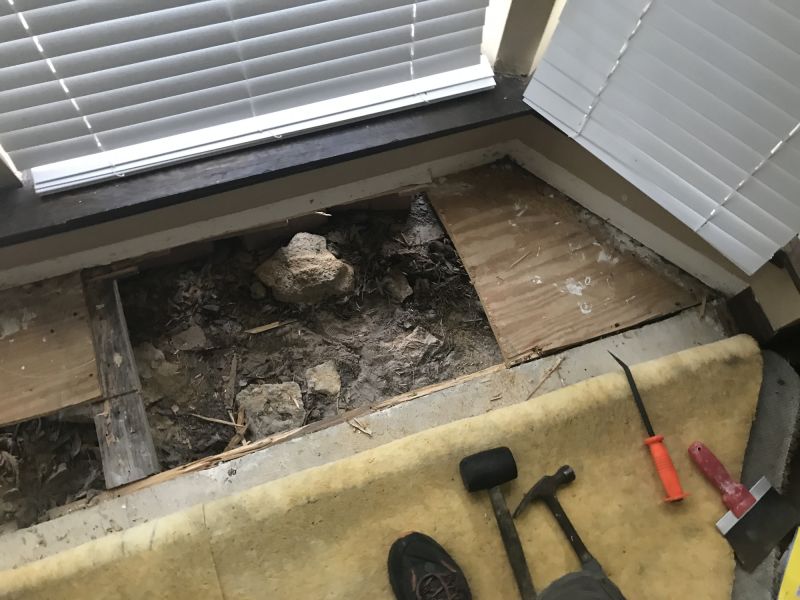
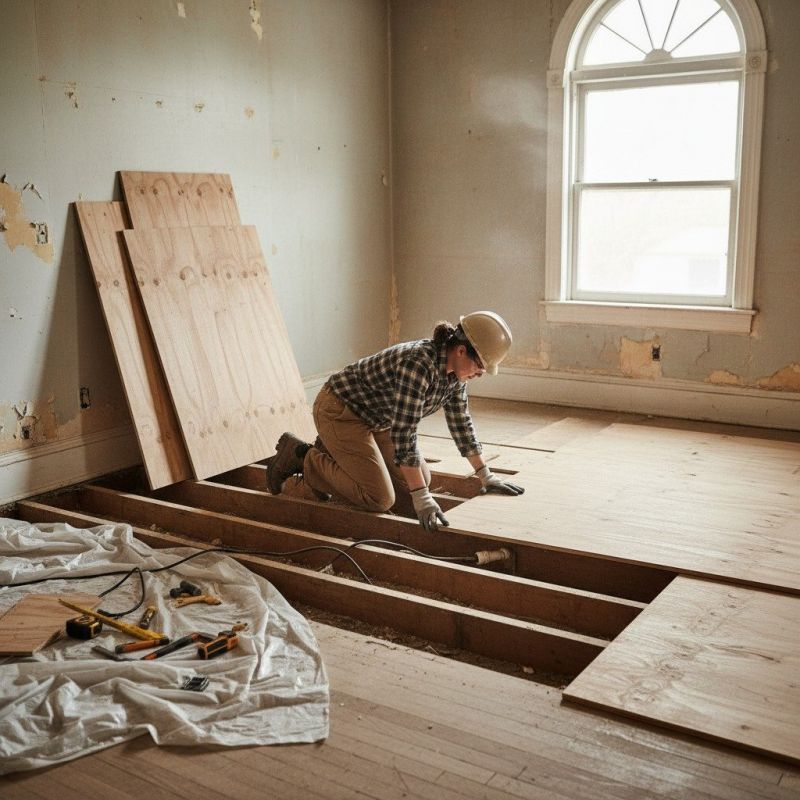
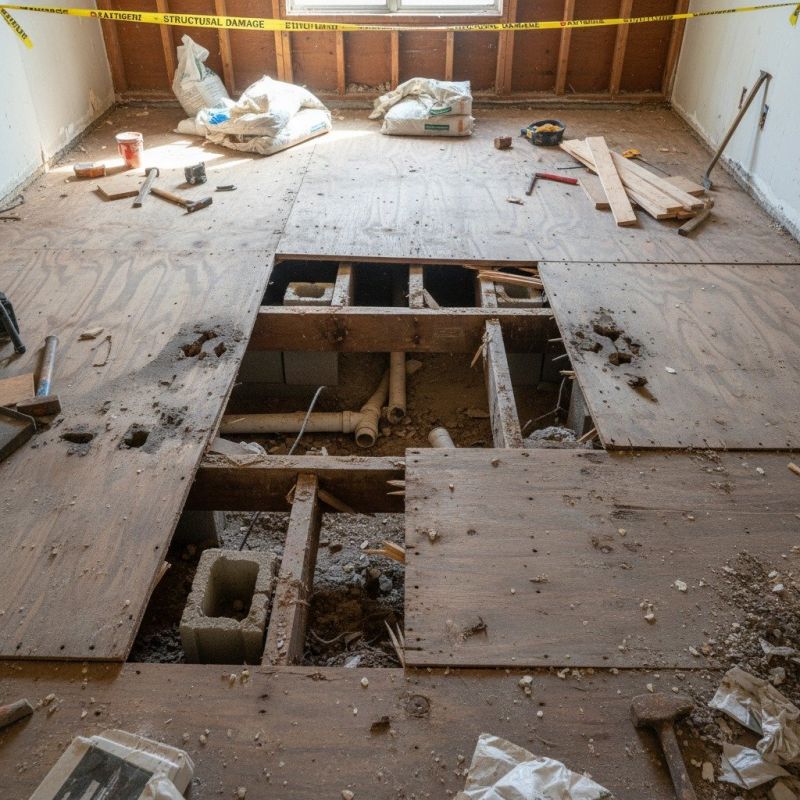
Subfloor replacement services involve removing and installing a new layer of subflooring beneath the finished floors in a property. This process is typically necessary when the existing subfloor has become damaged, weakened, or compromised over time. The work includes carefully removing the old subfloor, inspecting the underlying structure for issues, and then installing a new, stable base that provides proper support for the finished flooring. Skilled contractors ensure that the new subfloor is properly aligned and secured, helping to create a solid foundation for the entire flooring system.
Replacing the subfloor can address a variety of problems that affect the safety, stability, and durability of a property’s flooring. Common issues include water damage from leaks or flooding, wood rot, mold growth, or warping caused by excessive moisture. In addition, a damaged subfloor can lead to uneven floors, creaking sounds, or even structural concerns if left unaddressed. Subfloor replacement helps eliminate these issues, restoring the integrity of the flooring system and preventing further damage that could lead to costly repairs down the line.
This type of service is often used in residential properties such as homes, apartments, and condominiums, especially in areas prone to moisture or water exposure like basements, bathrooms, and kitchens. It can also be necessary in commercial buildings where heavy foot traffic or water infiltration has compromised the subfloor. Property owners who notice sagging, uneven floors, persistent odors, or visible damage beneath carpets or flooring may find that a subfloor replacement is a practical solution to improve safety and maintain the value of their property.
Local contractors specializing in subfloor replacement are equipped to handle projects of various sizes and complexities. They typically work with different types of subfloor materials, including plywood, oriented strand board (OSB), or other engineered options, depending on the specific needs of the property. Homeowners experiencing issues with their current subfloor or planning renovations that require a new foundation for flooring should consider consulting with experienced service providers to determine if a replacement is necessary. These professionals can assess the condition of the existing subfloor and recommend the best course of action to ensure a secure, long-lasting flooring system.
The overview below groups typical Subfloor Replacement projects into broad ranges so you can see how smaller, mid-sized, and larger jobs often compare in your area.
In many markets, a large share of routine jobs stays in the lower and middle ranges, while only a smaller percentage of projects moves into the highest bands when the work is more complex or site conditions are harder than average.
Smaller Repairs - Typical costs for minor subfloor repairs generally range from $250 to $600. Many routine jobs fall within this middle range, depending on the extent of damage and materials needed.
Partial Replacement - For replacing sections of subfloor, local contractors often charge between $1,000 and $3,000. Larger, more complex projects can push costs higher, but most fall within this range.
Full Subfloor Replacement - Complete replacement of a subfloor usually costs between $3,500 and $7,000. Many full replacements land in the middle of this range, with larger projects reaching higher prices based on size and accessibility.
Large or Complex Projects - Extensive or complicated subfloor replacements can exceed $10,000 in some cases. These projects are less common and typically involve additional structural work or difficult access issues.
Actual totals will depend on details like access to the work area, the scope of the project, and the materials selected, so use these as general starting points rather than exact figures.
Flooring Installation - Professionals experienced in flooring installation often handle subfloor preparation and replacement as part of their projects.
Bathroom Remodels - Bathroom renovation projects frequently require subfloor repairs or replacements to ensure a stable foundation for new fixtures.
Kitchen Renovations - Kitchen upgrades may involve subfloor replacement to support new cabinets, appliances, and flooring materials.
Basement Finishing - Finishing a basement often includes subfloor installation or replacement to create a solid base for new flooring surfaces.
Water Damage Repairs - Addressing water damage in floors involves removing and replacing compromised subfloor sections to restore stability.
Concrete Floor Repairs - Repair work on concrete subfloors requires skills similar to those used in subfloor replacement for wood or other materials.
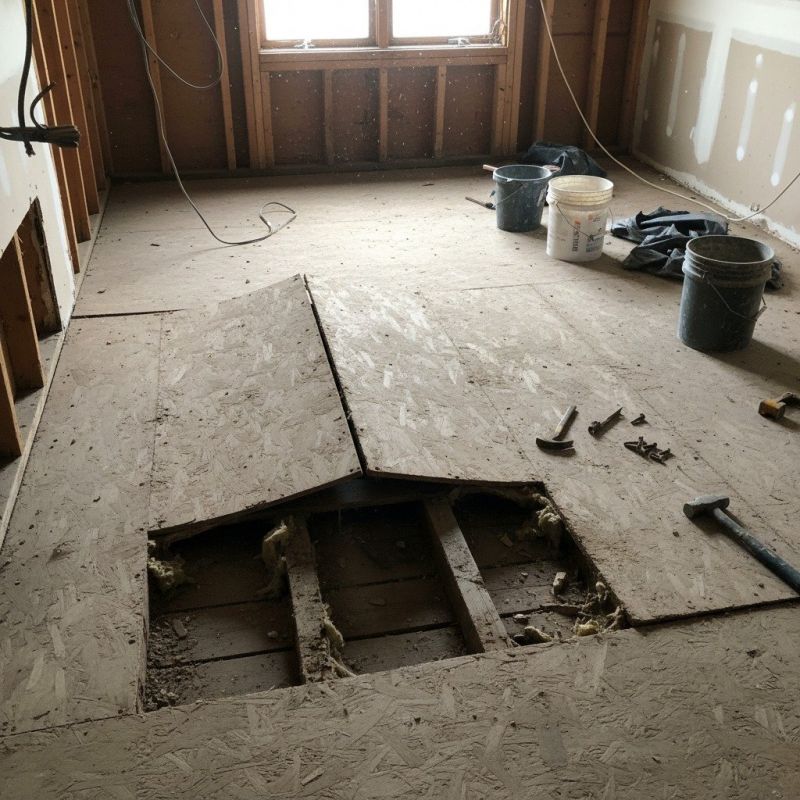
When comparing local contractors for subfloor replacement, it’s important to consider their experience with similar projects. Homeowners should look for service providers who have a proven track record in handling subfloor work, as this can indicate familiarity with the specific challenges and techniques involved. Asking about past projects or requesting examples of completed work can help gauge their expertise and ensure they understand the requirements of the job.
Clear, written expectations are essential to avoid misunderstandings and ensure the project runs smoothly. Homeowners should seek service providers who can provide detailed estimates, scope of work, and warranties in writing. This documentation helps clarify what is included, what to expect during the process, and how issues will be addressed if they arise. Having these expectations clearly outlined can contribute to a more transparent and stress-free experience.
Reputable references and good communication are also key factors when selecting a contractor. Trusted service providers should be willing to share references from previous clients, allowing homeowners to verify the quality of their work and professionalism. Additionally, responsive and transparent communication throughout the process can make a significant difference in the overall experience. It’s advisable to choose local contractors who prioritize clear dialogue and are attentive to questions and concerns, helping to build confidence in their ability to handle the project effectively.
Property owners use Subfloor Replacement services for practical projects around their homes and businesses. This guide focuses on everyday jobs and straightforward project options.
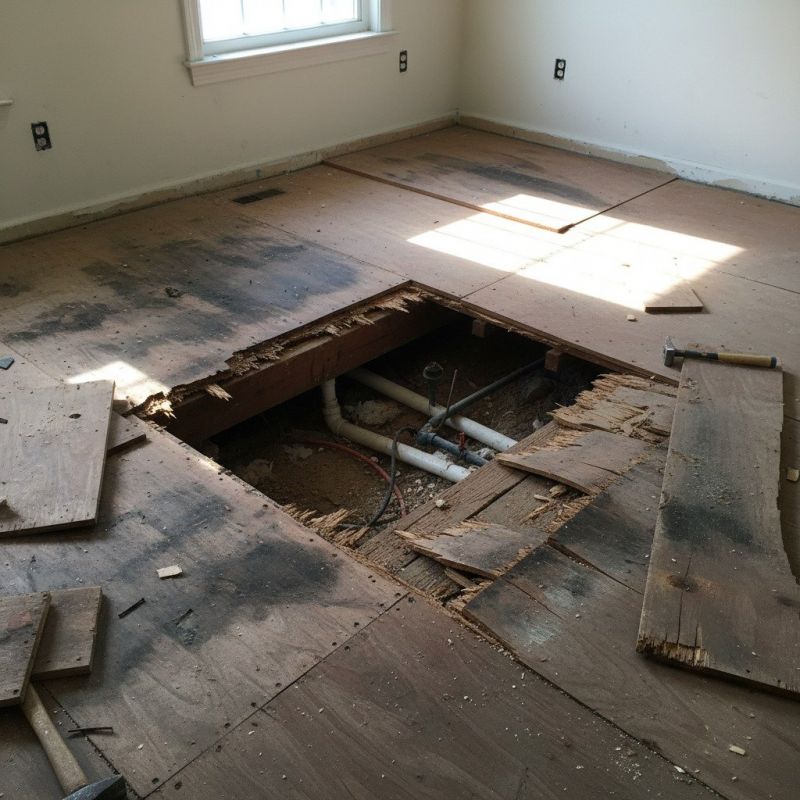
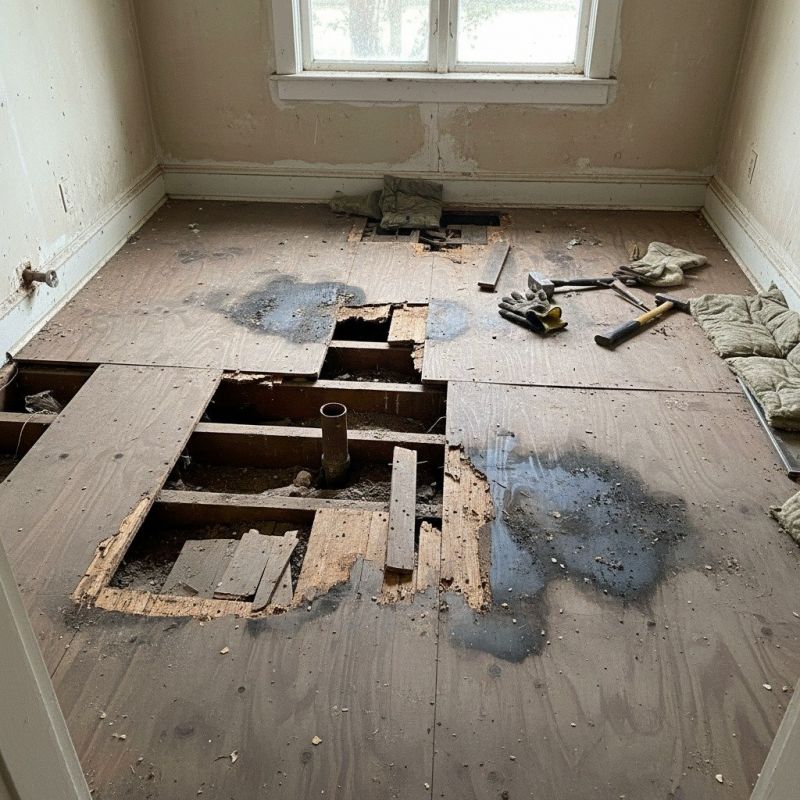
Subfloor replacement services are commonly needed when property owners notice uneven floors, squeaking sounds, or visible damage beneath their carpeting or hardwood. These issues can arise from moisture exposure, age, or structural shifts, making it important to address them promptly to maintain safety and stability. Local contractors experienced in subfloor work can assess the condition of the existing flooring and recommend appropriate solutions to restore a solid, level foundation.
Homeowners planning renovations or preparing for new flooring installations often seek subfloor replacement to ensure a smooth, durable surface. Additionally, property owners dealing with water damage or mold growth may require subfloor repairs or replacement as part of their remediation efforts. Service providers in the area can handle these projects efficiently, helping to improve the overall integrity and safety of the property.
What are signs that a subfloor needs replacement? Indicators include sagging floors, creaking sounds, uneven surfaces, or visible damage such as rot or mold.
Why should I consider replacing my subfloor? Replacing a damaged subfloor can improve the stability of your flooring, prevent further structural issues, and enhance indoor air quality.
What types of materials are used for subfloor replacement? Common materials include plywood, oriented strand board (OSB), and other engineered wood products suitable for subflooring.
How do local contractors handle subfloor removal and replacement? They typically remove the damaged material, inspect the underlying structure, and install new subfloor panels to ensure a solid foundation.
Can subfloor replacement be done alongside other flooring improvements? Yes, it is often coordinated with flooring upgrades or repairs to ensure a proper and durable installation.
Subfloor Replacement for Renovations - property owners planning to update or remodel a space can consider replacing the subfloor to ensure a solid foundation for new flooring materials.
Addressing Water Damage - replacing damaged subfloors caused by leaks or flooding can help restore safety and stability in affected areas.
Preparing for Flooring Installation - a fresh subfloor provides a level and secure base for installing new carpets, hardwood, or tile flooring.
Improving Indoor Air Quality - removing old, moldy, or deteriorated subfloors can contribute to healthier indoor environments for residents.
If you are thinking about Subfloor Replacement for a property, this guide is meant to help you understand the work, the typical project types, and how different options might fit your plans.
When you are ready, you can use the quote form on this page to share a few details about your project. From there, local pros can review the basics and respond with options that match what you have in mind.